


When we look back at the Roman aqueducts, those engineering marvels that spanned empires and stand to this day we tend to focus on the tangible: the stone arches, the hydraulic cement, and the precise gradients that moved water across hundreds of miles. We revere the “tech stack” of antiquity.
But the true secret of their longevity wasn’t just in the masonry; it was in the bureaucracy.
Before a single stone was laid, Rome established the Curator Aquarum—a high-ranking governance system. They created a Senate to dictate strategy, passed laws (like the Lex Quinctia) to punish those who damaged the pipes, and established strict standards to ensure the water remained safe for the populace.
The technical artifact (the aqueduct) only succeeded because of the organizational framework (governance) that upheld it. Without the “Senate,” the aqueduct would have been technologically impressive but socially useless—prone to pollution, theft, and decay.
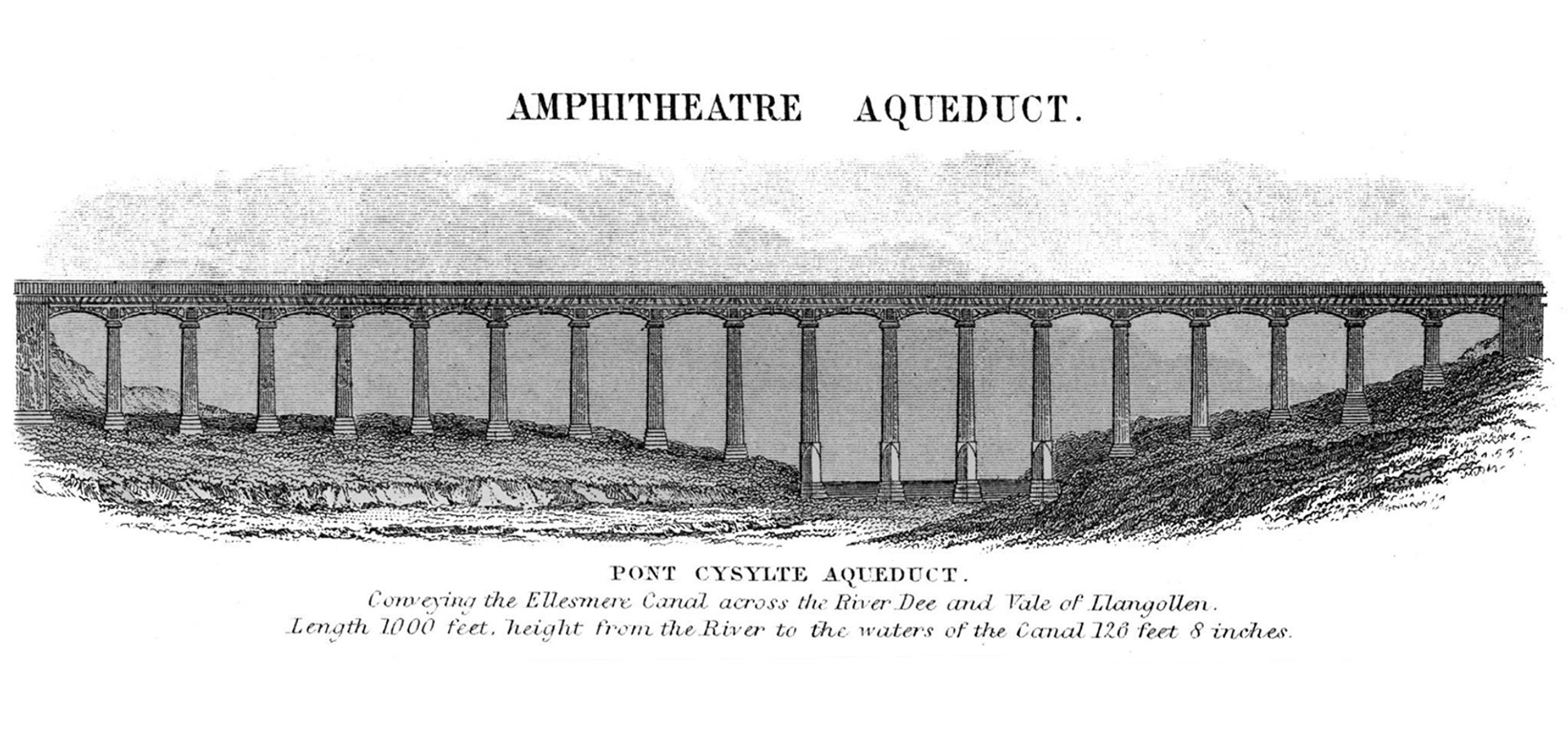
Today, as we build the digital infrastructure of the future, we face a parallel challenge. We are racing to build the “aqueducts” of Artificial Intelligence systems designed to carry information and decisions at massive scale.
However, true trust in AI cannot be achieved through accuracy metrics alone. We cannot code “trust” into a Python script any more than the Romans could carve “justice” into a stone block. Trust is not coded; it is engineered through governance.
This philosophy is the heartbeat of the NIST AI Risk Management Framework (AI RMF 1.0). The framework correctly identifies a critical gap in modern development: technical metrics like Validity and Reliability are insufficient on their own. A model can be mathematically valid yet socially destructive. To build a system that is also Fair, Secure, Resilient, and Accountable, one cannot start with the code. One must start with the GOVERN function.
At Nexenda, we view Governance not as a compliance hurdle, but as the foundation of the AI stack. By prioritizing the GOVERN function of the NIST framework, we operationalize the philosophy that safety must precede scale.
This means moving risk management from the end of the pipeline to the very beginning. Here is how that translates into action:
1. Integrating Ethics into Architectural Policy
Too often, ethics are treated as a patch applied to a finished product. We ensure ethical considerations are integrated into the organizational policy immediately. Just as Rome decided where the water should flow before digging, we help you decide what values the model must respect before training begins.
2. Anticipating Risks to Users and Society
Technical bugs cause crashes; governance bugs cause harm. We ensure that risks to users and society such as algorithmic bias, data leakage, or lack of interpretability are anticipated and managed, not ignored. We move from a posture of “break things and fix them later” to “predict vulnerabilities and prevent them.”
3. Optimizing Resources via Early Mitigation
There is no “technical debt” more expensive than “governance debt.” Re-engineering a foundational model because it violates a privacy standard or exhibits bias is a massive drain on capital and time. By acting as the governance layer, we optimize resources by avoiding late-stage risk mitigation. We ensure the blueprint is sound so the building doesn’t have to be torn down.
Ultimately, trustworthiness is a social contract, not just a technical output. A system that is accurate but opaque, or secure but biased, fails that contract.
If we want to build responsible AI that endures like the infrastructure of the past we must look beyond the code. We must recognize that the stability of the structure depends on the strength of the standards.
Before we build the aqueduct, we must first build the Senate.